
Winter Insulated Air Pad R 7.6 — 5-Layer Reflective Film, 199 × 58 × 9 cm, 777 g


Sleeping Mat Winter Insulated Air Pad R 7.6
The warmest pad in the shop: R 7.6 for winter nights on frozen ground.
- R-value
- 7.6
- Weight
- 777 g
- Size
- 199 × 58 cm
- Tracked delivery Australia-wide, A$19.95 on orders from A$100 (A$9.95 under): 1–3 business days to dispatch, then 10–20 business days on the way. Order a month before your trip. Shipping
- 30-day returns. We pay the postage if it's faulty or not as described. Returns
- Every figure on this page is the maker's own or our clearly labelled guide. No made-up lab ratings.
A winter insulated air pad, R 7.6 (maker's figure), 199 × 58 × 9 cm and 777 g, with five layers of reflective film inside 20D nylon and TPU. Packs to about 26.5 × 17 cm in a pump sack.
The ground stops stealing your heat.
- Best for
- Winter camping, high country, and cold sleepers all year.
- Think twice if
- At 777 g it's heavier than a three-season pad. For summer, the Ultralight Insulated Air Pad in R 3.5 is lighter.
R 7.6
Warm enough for winter camping on frozen ground, under a winter bag.
Five reflective layers
Bounce your body heat back up at you.
Pump sack included
Inflates without breath moisture inside, then carries the pad.
How warm a mat do you need?
R-value measures how well a mat stops the ground pulling heat out of you. Higher is warmer, and R-values add up when you stack two mats. This one is R 7.6.
| Trip | Overnight low | Look for | This mat |
|---|---|---|---|
| Summer and warm nights | Above 10°C | R 1 to 2 | Warm enough |
| Three seasons | 0 to 10°C | R 2 to 4 | Warm enough |
| Cold nights and frost | −5 to 0°C | R 4 to 5 | Warm enough |
| Winter and snow | Below −5°C | R 5 and up | Warm enough |
R-values are the makers' own figures, and we say on each page who measured them. The industry test is ASTM F3340; not every maker uses it. A mat under a down bag matters as much as the bag: down underneath you is crushed flat, so below freezing the mat does most of the work.
The numbers
Taken from the maker's own listing and spec cards for this exact model; anything marked our guide is ours. Where the maker doesn't publish something, the line is left out rather than guessed.
| R-value | 7.6 (maker's figure; the maker shows a test report) |
|---|---|
| Size | About 199 × 58 × 9 cm (maker's figures) |
| Weight | About 777 g |
| Build | 20D nylon with TPU, and five layers of aluminised reflective film inside |
| Packed | About 26.5 × 17 cm, in its pump sack |
| In the box | Pad and a pump sack that doubles as its stuff sack |
Pairs well with
The mat keeps the ground from stealing your heat. These finish the job.
-
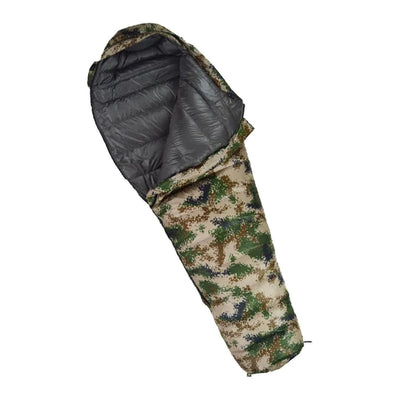 Extreme Cold Mummy
A heavy, honest winter bag: up to 2,000 g of duck down for the coldest nights you'll camp in Australia.
-
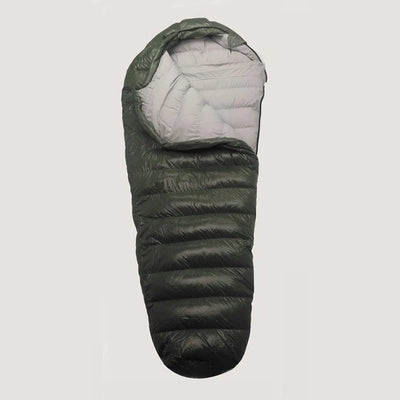 Kamperbox AM1000 Winter
A kilo of duck down for winter, at a price that leaves room for a good mat.
-
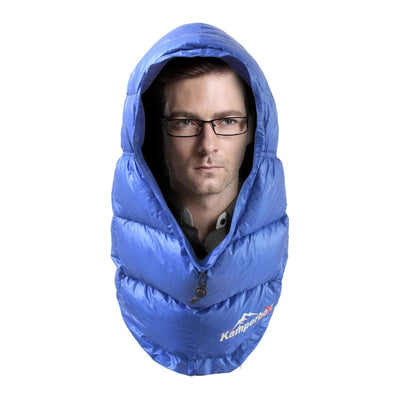 Down Sleeping Beanie
A light down hat for the coldest part of the night, when your head is the only thing outside the bag.
-
 Down Booties
Warm feet, warm sleep: down booties for camp and the sleeping bag.

Questions
What does the R-value mean?
Is it noisy?
What if it gets a puncture?
When will it arrive?
Will my order arrive in one parcel?
Will I pay duty or GST on delivery?
What if it isn't right?
More from this shelf
-

Sleeping Mat
Ultralight Insulated Air Pad
- R-value
- 3.5 / 4.2 / 7.5
- Weight
- 460–650 g
- Thick
- 10 cm
fromA$239
-

Sleeping Mat
10 cm Self-Inflating Camp Mat
- Thickness
- 10 cm
- Size
- 195 × 70 cm
- Weight
- About 1.1 kg
A$149
-

Sleeping Mat
Double Inflatable Pad
- Size
- 190 × 120 cm
- Weight
- About 1.25 kg
- Pump
- Built in
A$169
-

Sleeping Mat
Inflatable Pad With Pillow
- Size
- 190 × 60 cm
- Weight
- About 600 g
- Pump
- Built in
A$99


- Tracked delivery Australia-wideA$9.95 on orders under A$100, A$19.95 from A$100. No duty or GST to pay on delivery.
- Every number publishedGrams of down and weight on every bag, the R-value wherever the maker publishes one, capacity and weight on every pot, and a note wherever the maker's figures are unclear.
- 30-day returnsUnused and in its packaging. We pay the postage if anything is faulty or not as described.
- Replies within 24 hoursEmail us Monday to Friday and a person answers, not a bot or a call centre.